How to find Low side of refrigerator compressor Overview
The low side of your refrigerator compressor is sometimes referred to as the suction line or suction pressure side, and it’s the port that connects to the outdoor condenser unit.
Some refrigerators might have an adjustable low-side valve that you can turn to increase or decrease the refrigerant flow from the outdoor condenser unit, but this isn’t always the case—some models don’t even have this feature. Best Amazon Prime Deals
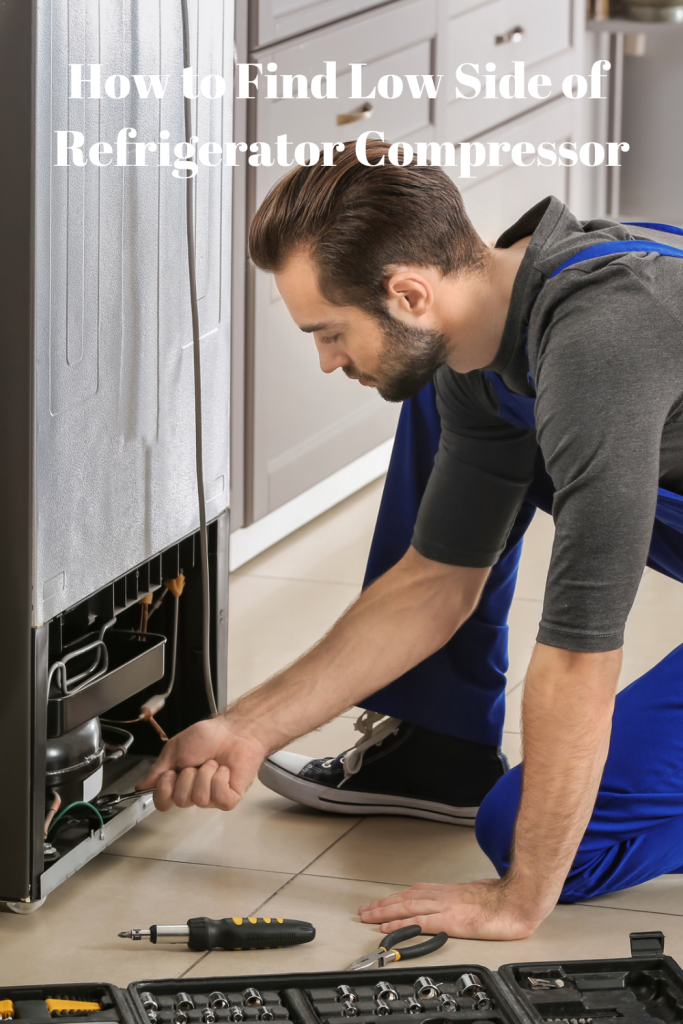
If you want to find the low side port on your refrigerator compressor, here are three easy steps you can follow.
Materials Required
You will require a few essential tools for this job, including;
Screwdriver
Ratchet and socket set
A flashlight
How to find Low side of refrigerator compressor
(Step by step)
1 .Label each refrigerant line coming from the compressor.
2. Disconnect one line at a time and watch for bubbles or low-level condensation from that particular line on the suction tube.
3 Reconnect the line after identifying it as low side and repeat steps 1-2 for other lines until only one line is left disconnected, which should be labeled high side.
3. Remove all tubing from the high side line, and place an in-line filter before reconnecting to reduce the possibility of air entering the system during the charging process.
4. Restore power to the refrigerator by pressing the START button on the front panel or pulling the plug out of the electrical outlet and back in again.
Tips/tricks/warnings
- Always unplug the device when looking for the low side to ensure there is no accidental shorting.
- In most cases, you will find that the high and low sides are marked on your refrigerator. If not, it’s good to note where you found the high and low sides before disconnecting anything.
- When reconnecting things, always start with the high side connection first so as not to reverse any connections.
- Remember that the appliance is heavy, so take care not to get injured lifting it. To help avoid injury from lifting this kind of weight, use two people rather than one.

The Refrigerator Compressor and the Suction Line
Compressors in commercial refrigerators are among the most integral parts of their systems, yet can often cause headaches when something goes wrong. Therefore, it’s crucial that you understand its function, how it operates and how to prevent issues before they arise.
Refrigerator Compressor and Suction Line Your fridge’s compressor is its heart. It acts like a pump to circulate cold liquid refrigerant gas around your system before returning it back into liquid form when no longer required.
Compressors work by increasing pressure of liquid. With each push from a compressor comes an increase in temperature of refrigerant gas until it becomes hot enough to change back into a vapor and be drawn back into evaporator coils before being taken back by compressor to complete its cycle.
Refrigerator evaporator coils and adsorption coils work to bring air into the cooling system while it cools, transferring cooled refrigerant through other coils to make sure all areas of your fridge remain cool and crisp.
As air is drawn into a cooling system, it may pick up contaminants such as dust, crumbs and flour (if you work in bakery businesses we know exactly what we’re talking about!). Once these materials collect they can freeze on either the evaporator fan or suction line and compromise its performance reducing efficiency significantly. When this occurs the cooling system suffers and may no longer operate optimally.

Is the Low Pressure Line the Suction Line?
Suction lines provide refrigerant from your HVAC equipment to the evaporator coil and back, in a continuous cycle. Your AC system operates under pressure; should its suction line become too high in pressure it could pose risks to its compressor, evaporator coil and other major components of your system.
Insulating your suction line will prevent condensation that could result in mold growth, rust corrosion and other forms of damage to walls and ceilings, noise transmission through pipes and ductwork and damage to walls and ceilings, freezing of evaporator coil in cold temperatures as well as protecting it from insects or rodents that might try to invade. Insulation also keeps evaporator coil from freezing due to cold temperatures while protecting against insects or rodents entering through pipes and ductwork – all essential benefits.
Poor insulation or damage to a suction line could result in condensation and leaks, diminishing the efficiency of your HVAC system and its cooling power. Loss of refrigerant will force your unit to work harder in cooling your home, raising energy bills further.
Replacing an AC’s suction line can be complex and require special tools, so if you want to switch out its suction line in Monroe, NC HVAC technician should be your go-to option for safe repairs. Otherwise, if you feel comfortable working on an HVAC yourself you can install a new line yourself; just ensure that you follow instructions in its owner’s manual and use appropriate tools so as to not damage its system in any way.
Conclusion
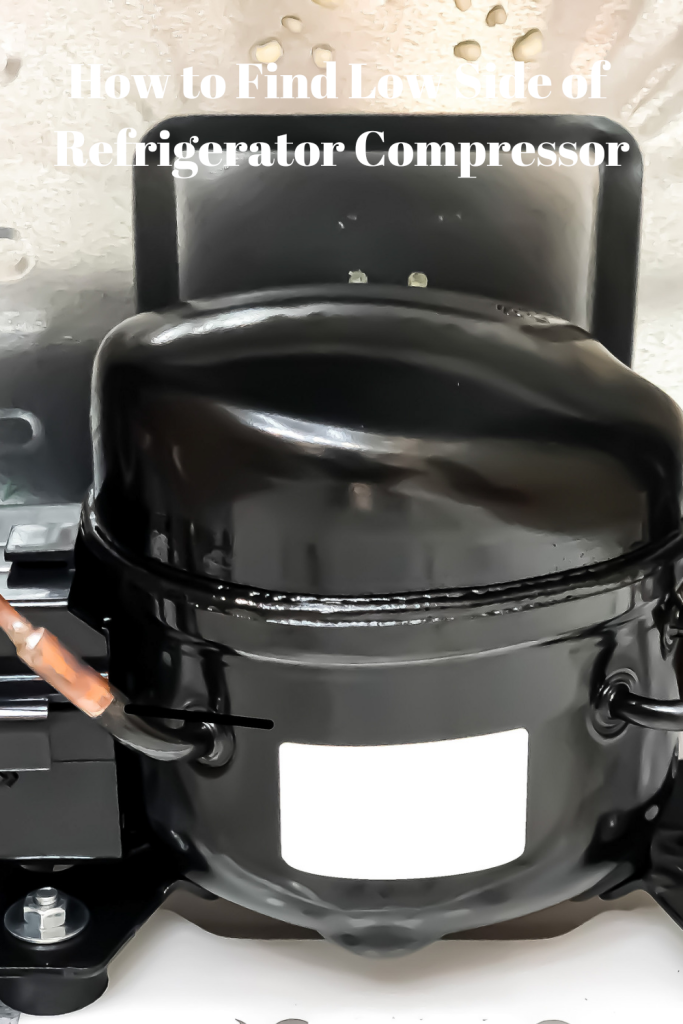
Finding the low side of your refrigerator compressor is not as difficult as it may seem. It only takes a few minutes and a few simple tools.
The most important thing you need to remember is that there are two ports: high and low.
Start at one end of the unit or the other, depending on which one you suspect might be leaking or faulty, then take measurements from each port until you find the leak or faulty connection point. Best Amazon Prime Deals