
How to Paddle a Sit on Top Kayak
Those new to kayaking should ensure they start in an appropriate position; this will make your torso muscles the primary power source, thus reducing fatigue and injury risk.
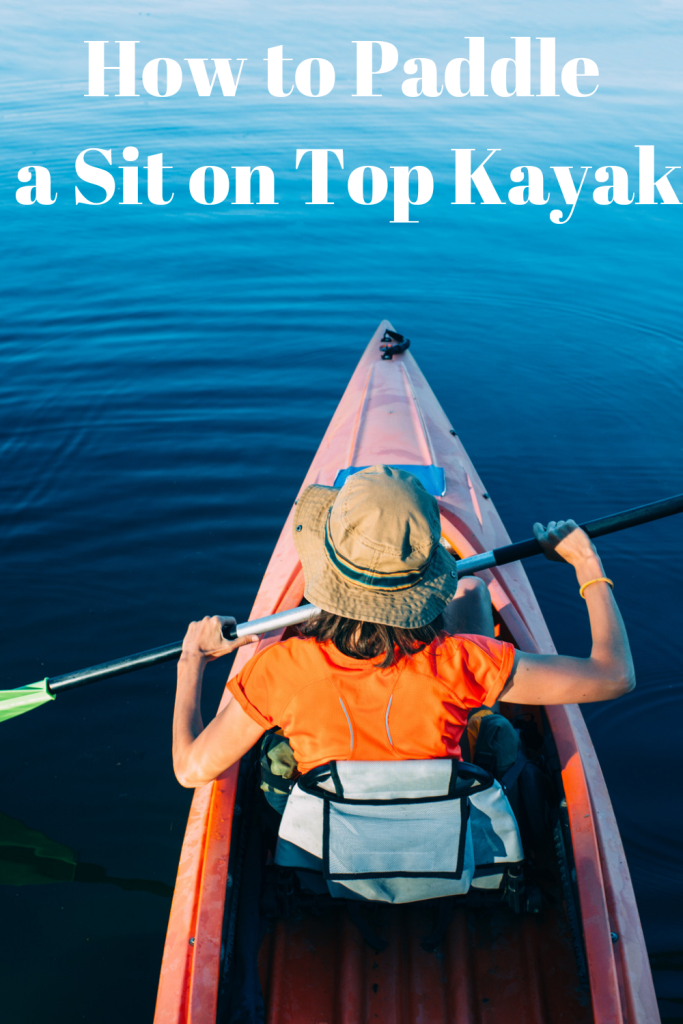
Take note of your paddle blades to ensure they are symmetrical (the concave side should always face in a different direction). Also observe your hands working within a roughly rectangular volume known as the paddler’s box.
Position
Locating yourself in the optimal kayak paddling position is vital for both power and comfort. When paddling a kayak, your core and legs do most of the work and to maximize efficiency, it is necessary to sit up straight with relaxed posture – this may prove challenging when first learning but there are several simple steps you can take to ensure that you achieve optimal paddling results.
Before setting out on your kayaking journey, start by inspecting whether your paddle blades are feathered or unfeathered – unfeathered blades should be parallel while feathered ones should have an angle to them, thus reducing air resistance. Next, position your kayak by placing its bow towards the water and sitting down into its seat; when sitting, make sure your back is straight while feet are resting comfortably on foot pedals or pegs with knees bent slightly for optimal support – this position should keep you secure whilst offering comfort as well.
Grab the paddle loosely with hands shoulder-width apart and the “scoop” or power face of the blade facing your body (this is known as your grip hand). Holding your paddle above you should reveal an oval space extending from your arms and chest down towards its shaft; this is known as the ‘paddler’s box’ and provides optimal control and power balance.
As your first stroke, place the paddle blade on the left side of your kayak in the water and use your body to move in the same direction of its rotation (known as wind-up). As soon as the paddle enters the water close to your body and continue rotating it until reaching “catch”. Pull strongly until your leading arm reaches level with stomach before recovering it and repeating this process on right side.
Stroke
Forward stroke is your main form of transportation in a sit on top kayak. To maximize its effectiveness, the key lies in using all of your body’s muscles rather than solely your arms – this way you can generate power from shoulders, back, and core, rather than only using arms to propel paddle across water. By engaging your entire body during each stroke you can increase speed and power and minimize arm fatigue for increased performance on the water.
Keep your paddle close to your boat and avoid splashing the water as much as possible when paddling, to stay stable and reduce drag. Also keep one hand near the bottom of the paddle shaft near where it meets the blade – this will prevent it from slipping off during strokes as well as help you feel when its blade contacts with water.
Begin each stroke by rotating your body so that your shoulders face the direction of travel and extending your blade into the water in a spearing motion, with both hands on top of it – upper hand on top and lower hand well beneath. As soon as your blade reaches the hull of the kayak, rotate your leading wrist so as to lift and retrieve your paddle from its position in the water – keeping the top hand high while lifting off quickly; once out again reposition it in its new spot in the water with top hand raised while repeating this process until completion!
Once your blade enters the water, use your leading arm to push down on it with an intense power stroke. As it nears your cockpit hull behind you, rotate your wrists so as to remove your paddle cleanly from its resting place and exit safely from its confines.
The reverse sweep stroke can be useful for exploring caves and rock gardens without turning your boat around. To maximize success with this stroke, practice it regularly in an environment which is safe. While its principles resemble those used for forward strokes, its focus lies more on using core muscles for powering movement; start practicing from near the rear of your kayak as you make your way through the water.
Turn
Paddlers can use the sweep stroke to turn their boat in any desired direction, which is an ideal technique for maneuvering in tight spaces like canals and rivers with the assistance of rudders. To execute an effective sweep stroke, however, requires balance and good blade control – positioning their blade so it pierces through water at an acute angle in front of their face as they rotate their body towards their desired destination.
Beginners seeking to kayak are best served by practicing with friends or an experienced coach; this will provide the support you need to remain upright and avoid capsizing. Furthermore, many videos exist online which teach basic paddling techniques as well as providing tips to improve their abilities.
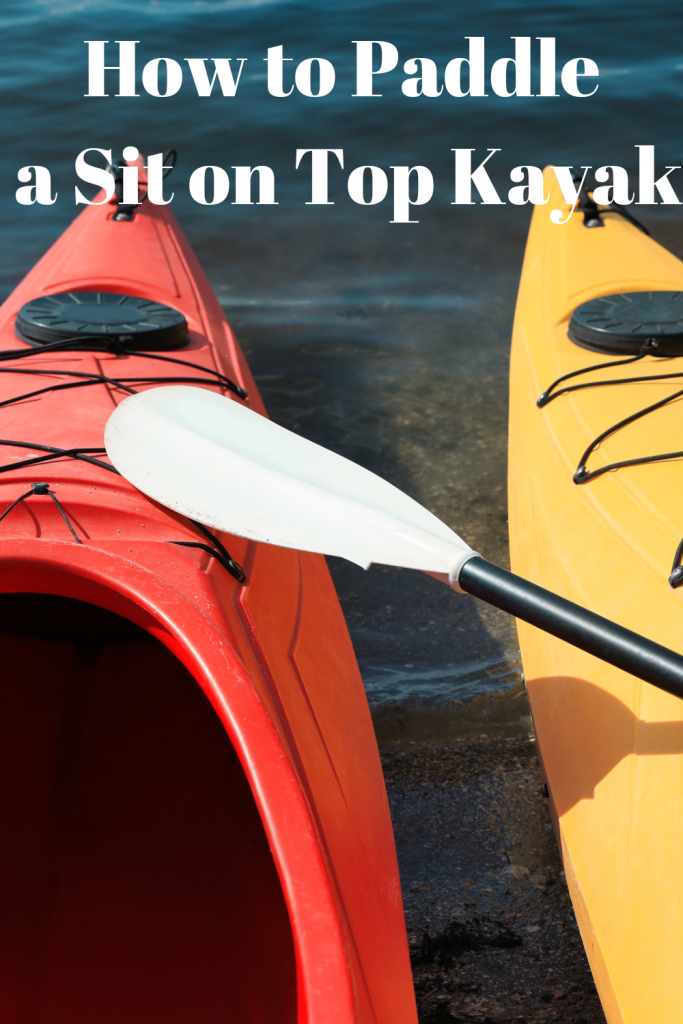
Re-entering a sit on top kayak requires two steps: firstly, align the boat parallel with itself. Next, bend your knees and squat down so as to raise the kayak over your leg onto your shoulder without it slipping off; also attempt to grip it using your hand, wrist, and elbow rather than using only fingers as this will prevent fingers slipping off paddle shaft.
Practice your insertion and removal strokes regularly. An amateur mistake that beginners tend to make is driving their paddle blade straight into the water, which causes water to splash up onto their heads and kayak. Over time this can become very soaked; to stay drier try inserting and extracting at shallower angles instead.
Consider investing in paddle drip rings that can be easily attached to the end of your shaft, as these will prevent water from running down into your paddle and potentially soaking both your hands and clothing. Not only are these cheap but can also easily be installed or removed when needed.
Exit
Sit on top kayaks are great boats for people of all ages and abilities. Beginners often use them to familiarize themselves with paddling; however, many don’t realize that they may also be difficult to exit in case of capsize or another emergency situation.
Unskilled kayaking may be dangerous if it is done incorrectly in windy or rough water conditions, so it is crucial that a trained guide or instructor teaches this skill and practices it until it becomes second nature.
When exiting your kayak, select a flat beach or dock that isn’t too high and secure your paddle so it doesn’t float away while attempting to reboard. Position your kayak parallel with shoreline while holding onto both its rim of cockpit with one hand while simultaneously using both hands for paddling with another hand.
First, push yourself upward until your abdominal region covers the cockpit or seat area of the kayak. If that feels comfortable to you, reach for the handle under its hull with one hand and pull yourself onto it using this method.
Before climbing back into your kayak, take care to look out for any hazards such as rocks or stumps in the water that might disrupt your balance. Also ensure both hands are placed either side of the cockpit with elbows at right angles to each other and that your upper body remains relaxed throughout this process.
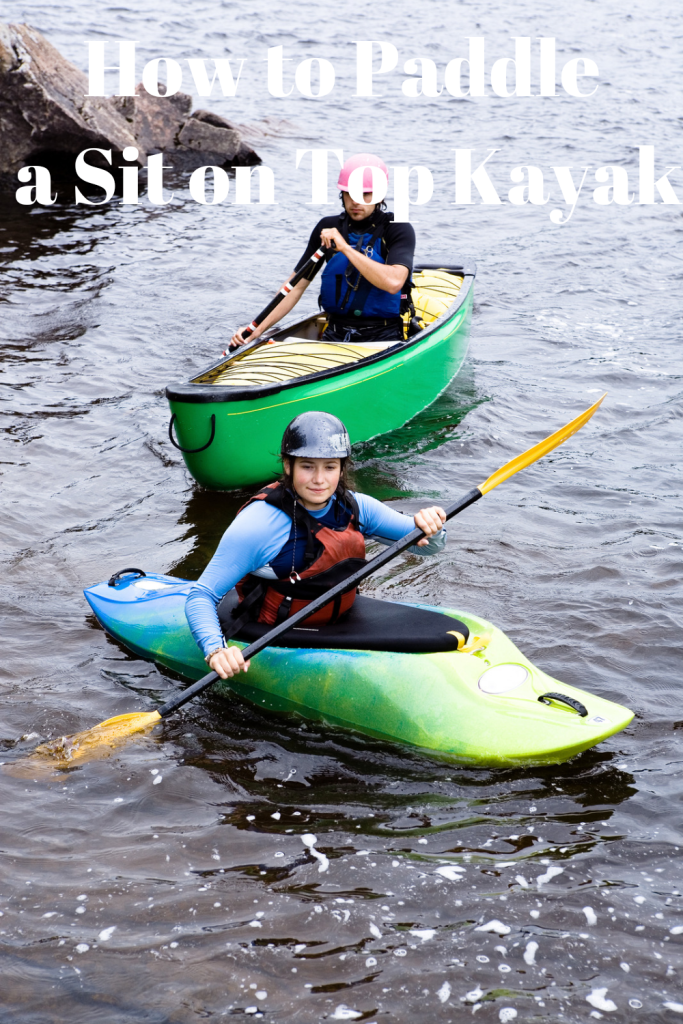
Once seated in your cockpit, grab your paddle and begin paddling away from shore. But be mindful that in an emergency you may need to perform a wet exit – meaning coming out of your kayak while submerged by flipping it on its back in order to escape safely while being submerged under water – in case something arises that requires it. For best results it is wise to practice in calm water with an experienced lifeguard present so that wet exit becomes second nature quickly.