
What?s the Best RV Roof Sealant?
An effective RV roof sealant should prevent leaks, block UV rays, and offer moisture protection. Furthermore, it should be easy to apply and quickly dry after application.
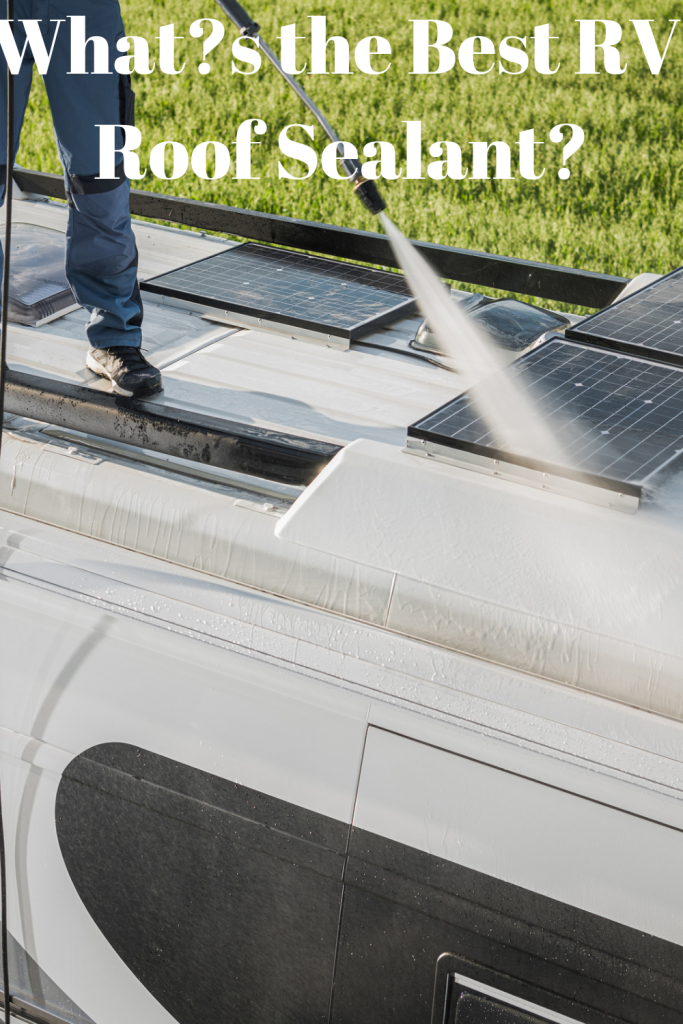
Flex Seal is an ideal option for RV owners due to its easy use and cost-effective price point, as well as quick drying time; thus providing emergency repair capabilities.
What?s the best product to seal an RV roof?
The ideal product to seal an RV roof is a high-quality polyurethane or rubber roof coating, as this sealant creates a waterproof and airtight seal that protects it from water damage. Not only is this type of sealant highly durable; its easy cleanup makes maintenance hassle-free. Plus, they come in different colors for matching with any RV color scheme!
There are various RV roof sealants on the market, but it’s essential that you choose a quality product compatible with the material of your RV roof. Also take into consideration price and whether the sealant fits with your needs; for instance if your RV is larger you may require multiple bottles of sealant.
Many RV owners opt for roof coating systems because they’re easy to apply and don’t require caulking guns; affordable; long-lasting; and resistant against water penetration and UV rays. When selecting an appropriate coating system, look for ones with outstanding bonding properties which provide a watertight seal against moisture penetration and UV radiation.
An alternative for RV roof sealing is fiberglass tape, which can help repair small cracks in the roof while protecting it against leakage. Furthermore, its durable nature can withstand vibration while traveling and cleaning and removing this type of tape is easy.
If you own a large RV, the Dicor RPCRPQ EPDM Rubber Roofing Coating System should be considered. This product bonds well with most roof materials and prevents leaks and water damage effectively. Application is quick and drying times are quick. UV stable formulation ensures discoloration doesn’t occur over time – as will purchasing its cleaner/activator which ensures longevity of sealant application.
What do RV manufacturers use as a sealant?
There is a range of RV roof sealants to select from, each offering their own advantages and disadvantages. Some can be easier for users than others while some might even last longer. Selecting the appropriate product can have a major impact on your RV experience; considering lifestyle factors like type of RV used as well as overall usage is a helpful way of selecting which sealant type to select.
Dicor self-leveling lap sealant is one of the top options available to RV roofs. Crafted from an innovative combination of rubber and resins, it does an outstanding job sealing cracks without requiring you to get your hands messy with caulking guns. Another reliable sealant option for your RV roof is Eternabond rubberized leak stopper tape; simply apply to cracks in its roof for long-term protection from weather elements! Additionally, both options can easily be installed by anyone!
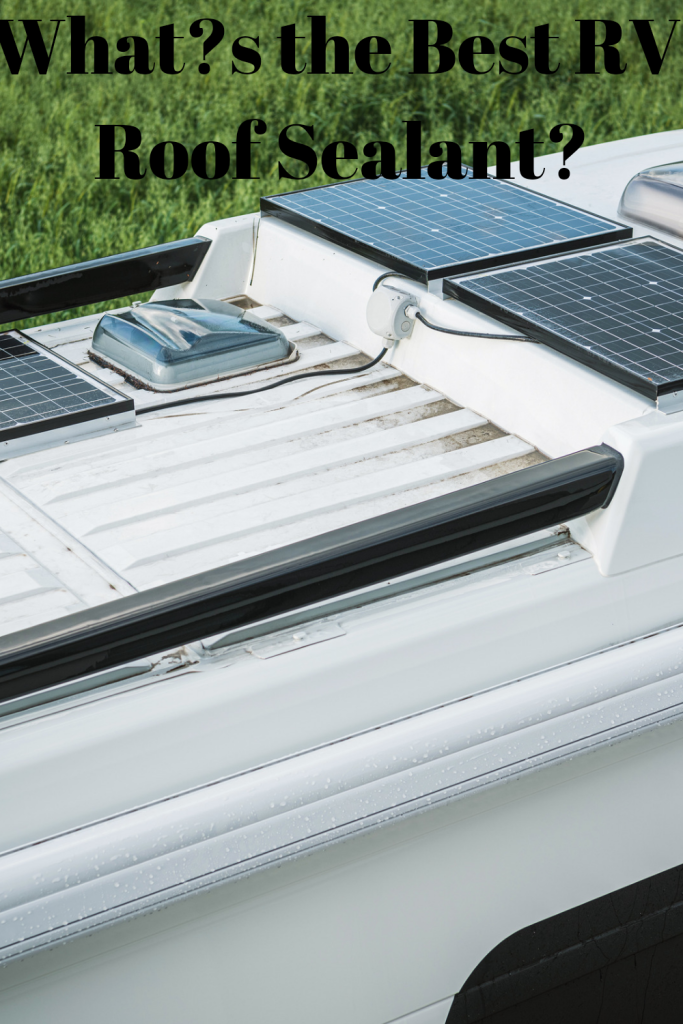
Liquid RV roof coatings are another fantastic solution, designed to be both waterproof and long-term durable, suitable for rubber RV roofs as well as plastic ones. Plus, these eco-friendly coatings do not contain VOCs or harmful odors – making installation quick and simple while protecting against weather changes and road debris!
OSI Quad and Beech Lane RV roof sealants are both excellent choices. OSI Quad is an OSI liquid sealant made of rubber that is waterproof, UV inhibitor-protected, easy to apply, toolable, and paintable; Beech Lane sealant comes in various thicknesses that can all work to seal RV roofs effectively.
Beech Lane RV roof sealant comes in the form of tape, and its sealant material combines teflon with other resins for maximum effectiveness. Easy to apply and suitable for rubber roofs alike, Beech Lane may not last as long as other sealants; thus it should only be applied above 48 degrees Fahrenheit.
What should I use to reseal my RV roof?
Roofs of RVs are critical components that protect its interior from the elements, with any leak compromising the entire vehicle almost instantly. Therefore, it is recommended to reseal your roof every two years to protect from rain water leakage as well as prevent mold growth and rot in areas with high rainfall; top-rated sealant options should do just the trick for this task.
First, clean the RV roof and any areas where sealing will take place with a mild cleaner that can cut through dirt and grime without harming its surface. This step is particularly crucial around skylights and vents. Once clean, use scrapers or razor blades to scrape away excess caulking that has cracked or crumbled as soon as the surface has been prepared for sealing, as well as scrubbers to scrub any areas heavily rusted or damaged by corrosion or weathering.
Once the area is clean, you can begin sealing the roof again. There are a variety of RV roof coatings available; Dicor self-leveling lap sealant would make an excellent choice. Easy to apply and dry quickly, it makes an excellent solution for RV roof repair projects; plus it works on most types of RV roofs like EPDM, PVC and Hypalon!
EternaBond RoofSeal sealant tape is another effective choice, designed specifically to seal seams of an RV roof and provided in four inch rolls for ease of application. Simply roll or brush it onto any area like thick paint. With up to 19 years of UV exposure warranty protection and compatibility across various roof types such as EPDM and fiberglass roofing membranes – making EternaBond an excellent solution!
If you prefer working with liquid solutions, consider the Flex Seal Liquid Rubber in a Can. This As Seen on TV product has proven itself as an effective RV roof sealant and coating; its white hue helps reflect sunbeams while keeping interior temperatures cooler; plus application can be done easily by paintbrush or sprayer.
How long will flex seal last on RV roof?
Flex Seal offers an easy and quick solution for resealing RV roofs quickly and affordably, and can help repair leaks or larger areas of damage quickly and affordably. Available at most major retailers and As Seen on TV stores, its durability will depend on both your RV roof type and DIY skills; Flex Seal can help! It can also be combined with other Dicor products for complete RV roof repair solutions. Note: the durability may differ depending on where it was applied, which may influence its use as part of a complete RV roof repair solution – however its durability will vary accordingly! Note: durability may depend upon both factors as well as other Dicor products used in combination with them for complete RV roof repair solutions; durability will vary accordingly!
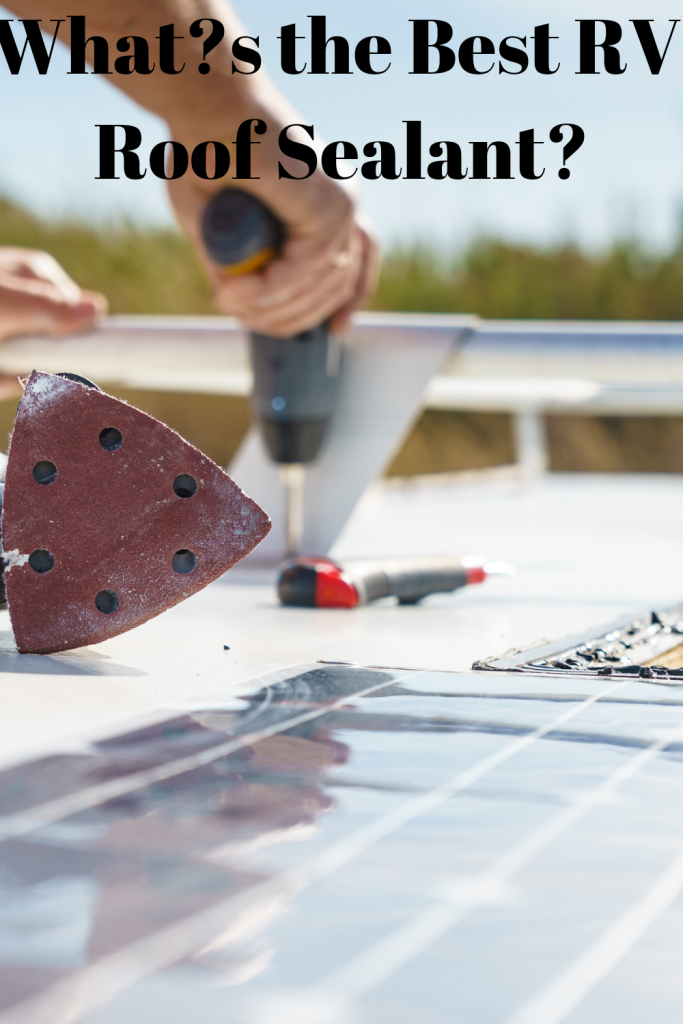
Flex seal is generally long-lasting when properly applied; however, longevity depends on a number of factors including roof type, temperature and humidity conditions in which your RV resides and climatic conditions in its location.
Flex seal can be applied to a variety of RV roof types, including fiberglass, rubber and metal. It works particularly well on seam edges of an RV roof that may contain seams. Apply it either dry or wet surfaces for optimal results and to help stop leaks or cracks from forming in your roof surface. It is advisable to reseal at least once every three months in areas with high temperatures and humidity.
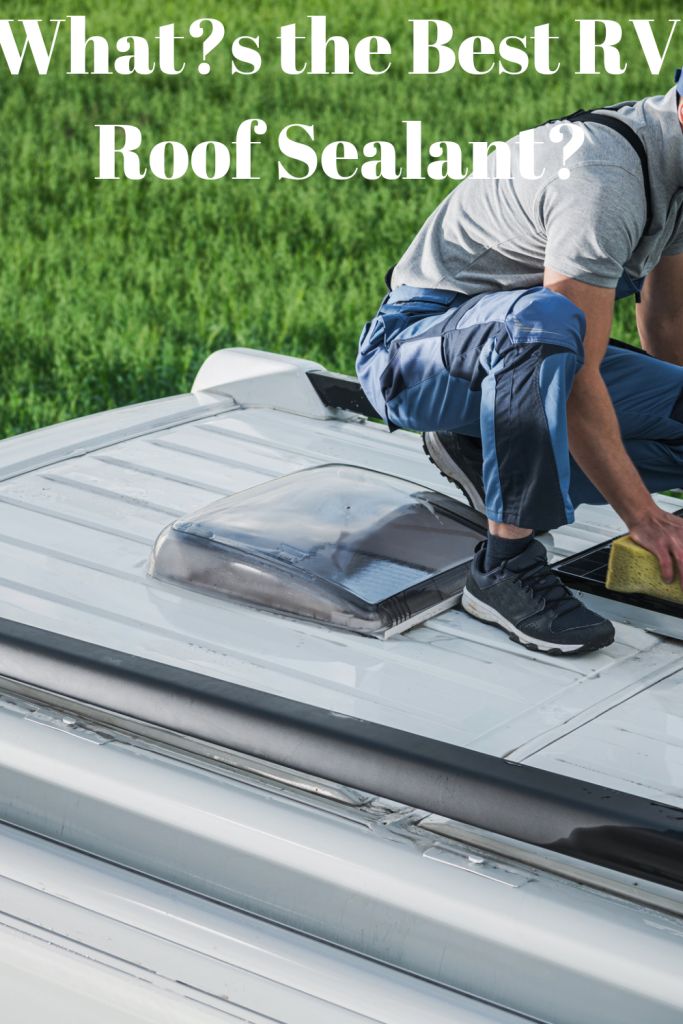
One of the key aspects of using flex seal is adhering to all instructions and precautions, including wearing gloves to protect eyes and skin from liquid sealant. Furthermore, multiple thin coats should be applied rather than applying one thick one at once and waiting until each has completely set before adding another one.
If you want a longer-lasting solution for your RV roof repair needs, professional roof repair services may be more suitable than DIY patch jobs with flex seal. Furthermore, RV roof kits often include everything needed for complete roof repairs.